Best Time To Trek In India For Your Next Himalayan Trip
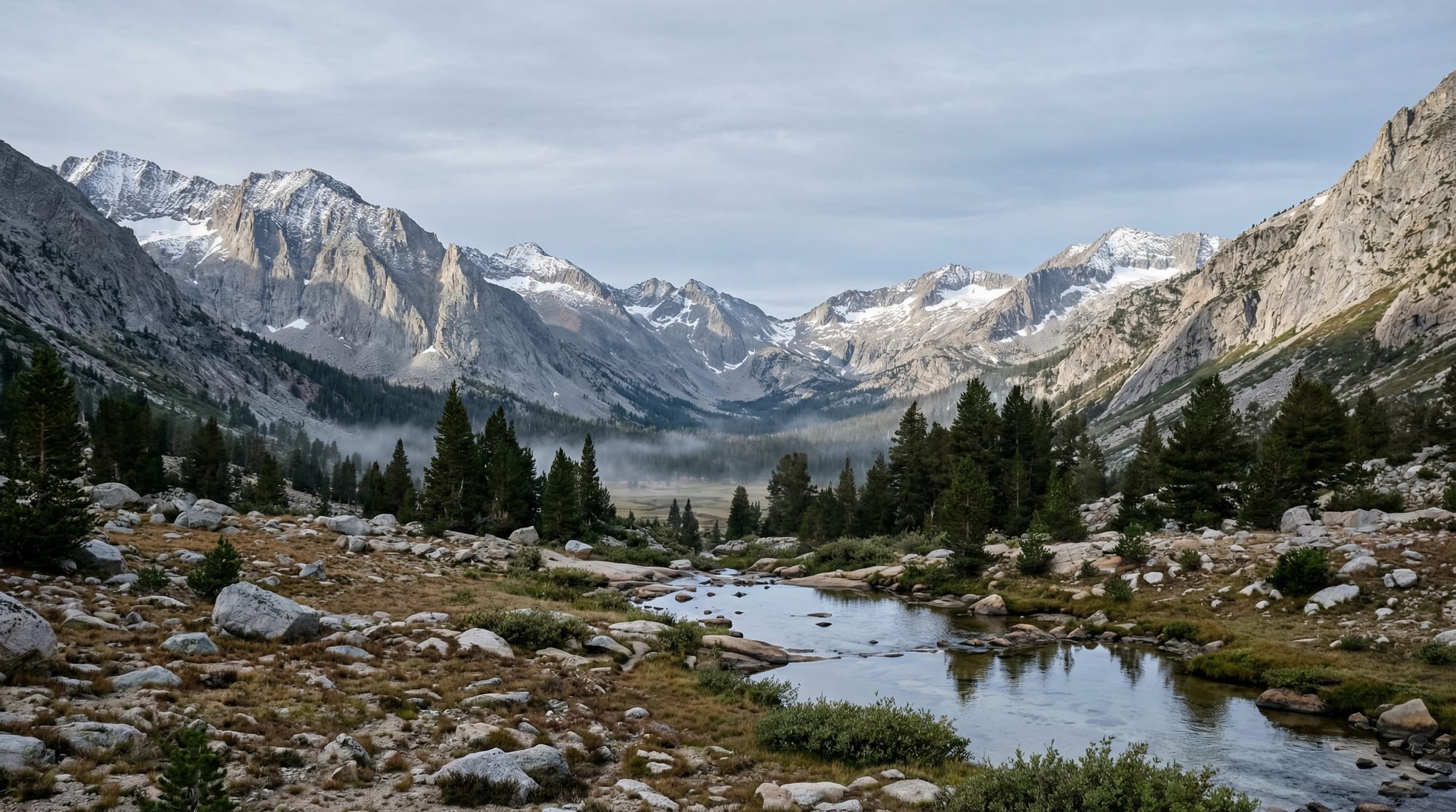
There's a reason people fall in love with the Himalayas the moment they set foot on a trail, especially once they know the best time to trek in India. The mountains change character with every season, and once you've experienced himalayan trekking even once, it's hard to stay away. Timing matters more than most first-time trekkers realize. Pick the wrong month and you could be staring at landslides, closed trails, or a valley buried under snow instead of blooming with flowers. Add to that the sheer range of terrain India offers, from snow-capped ridgelines to monsoon-fed meadows to forested foothills, and it becomes clear that planning a trek well is as important as picking one at all. This guide breaks down when to go, what to expect, which routes are worth your time, and how to choose a team that won't let you down halfway up a mountain.
Best Time For Trekking: What The Calendar Really Tells You
If you ask ten different trekkers about the best time for trekking, you'll probably get ten different answers, and honestly, they're all a little right. It depends entirely on which trail you're eyeing, how high it climbs, and what kind of experience you're after.
- Summer (May–June): Opens up high-altitude routes like Hemkund Sahib and Kedarnath, with clear skies and manageable daytime temperatures, though nights still dip close to freezing. This is also the busiest window, so trails and campsites tend to be crowded.
- Monsoon (July–September): Mostly avoided due to slippery trails, leeches, and river crossings that turn dangerous fast, except for the Valley of Flowers, which only truly blooms during this window and is worth the extra caution.
- Autumn (September–November): Skies clear up completely and mountain views turn crisp and sharp, making it the golden window for most Himalayan trails, with drier ground and fewer crowds than summer.
- Winter (December–February): Reserved for a smaller set of specialized treks, since most high-altitude routes close under heavy snow, though lower-altitude forest trails can still be walked.
A rough rule of thumb: the higher the altitude, the shorter and more specific your window becomes. Trails above 4,000 meters often have a viable season of just six to eight weeks a year, so checking current trail conditions before booking is always worth the extra five minutes.
Understanding Trekking Season In India Beyond The Himalayas
Trekking season in India isn't a single block of months, it shifts region by region, and treating the whole country like one climate zone is where a lot of trip planning goes wrong. While the Himalayan belt in Uttarakhand and Himachal opens up mainly between May and June, and again from September to November, other parts of the country run on entirely different clocks.
- Western Ghats (Maharashtra, Karnataka, Kerala): Best explored right after monsoon, from October onward, when the hills are green and waterfalls are still flowing but the ground has firmed up.
- Northeast India (Meghalaya, Sikkim, Arunachal Pradesh): Favors October to April, avoiding the heavy monsoon rains that hit the region especially hard.
- Rajasthan and desert treks: Best from October to March, when daytime heat drops to a walkable range.
Knowing this regional split helps trekkers plan trips across the country instead of assuming one season fits every mountain range, and it also means your trekking calendar doesn't have to sit idle for half the year. A well-planned trekker can realistically trek somewhere in India in almost any month, as long as the region matches the season.
Himalayan Mountains Trekking: Routes Worth Knowing
The variety across himalayan treks is honestly staggering once you start exploring beyond the popular names, and each route tends to attract a slightly different kind of trekker.
- Kedarnath: A steep 16-kilometer climb, with the temple sitting dramatically against a glacier backdrop, popular with both pilgrims and trekkers chasing their first high-altitude experience
- Hemkund Sahib + Valley of Flowers: Combines a spiritual high-altitude gurudwara visit with one of the most photographed meadows in the country, ideal for trekkers who want scenery and significance in one trip
- Tungnath and Madhmaheshwar: Forested trails, ancient temples, and far fewer crowds than the bigger circuits, better suited to those who prefer solitude over selfie queues
- Kedarnath to Madhyamaheshwar combined trek: A longer, more demanding route for trekkers who've already done a few shorter climbs and want to push further
Himalayan mountains trekking also comes with real physical demands that shouldn't be glossed over. Altitude sickness is a genuine risk above 3,000 meters, and trails can involve loose scree, narrow ridges, and sudden weather shifts that catch even experienced trekkers off guard. A good himalayan trek packages provider will walk you through acclimatization schedules, gear checklists, and realistic fitness expectations instead of just handing you an itinerary and a bus ticket. This matters more than people realize until they're three hours into a climb with a headache that won't go away.
Best Trekking Companies In India: What Separates The Good From The Rest
Not every trekking outfit is built the same, and this is where research pays off, sometimes literally in terms of your safety. The best trekking companies in India tend to share a few traits that aren't always obvious from a website homepage:
- Local guides who actually grew up in the region, not seasonal hires brought in from elsewhere
- Transparent difficulty ratings instead of marketing fluff that makes every trek sound "moderate"
- Small group sizes that don't turn a mountain trail into a crowded queue
- Proper handling of permits, emergency evacuation plans, and campsite logistics
- Clear communication about what's included, what's not, and what to physically prepare for before the trek
Trekking packages in India range wildly in quality, so it's worth checking these details before booking, rather than finding out the hard way once you're already on the trail with no cell signal and an underprepared guide. Among india trekking companies, the ones worth trusting are usually the ones who've walked the trails themselves, repeatedly, across different seasons, not just the ones with the flashiest website or the cheapest quote. A slightly higher price often reflects better safety margins, not just profit.
Indohike is a Himalayan trekking company based out of Rishikesh, Uttarakhand, and our team has spent years walking the exact routes we guide people through, from Kedarnath and Hemkund Sahib to Tungnath and Madhmaheshwar. We focus on:
- Small group treks with honest difficulty briefings, so you know exactly what you're signing up for
- Guides who know these mountains personally, not just from a manual, including how conditions shift week to week
- Trip designs built around safety, pacing, and real local knowledge rather than a fixed one-size-fits-all itinerary
- Support with permits, gear guidance, and acclimatization planning, especially for first-time high-altitude trekkers
Whether you're chasing the best treks in India for a first-time Himalayan experience or looking for a lesser-known trail away from the crowds, Indohike is built to make that trek both memorable and safe. Our approach comes from actually living near these peaks, not just visiting them once for a photoshoot, and that difference shows up in every itinerary we plan. If you're ready for your next mountain trip, we're happy to help you figure out which trek, and which season, fits you best.
